When a tyre gives out, it rarely happens at a convenient moment. You could be parked outside your home in London or stopped by the roadside with a slow leak that refuses to hold air. In moments like these, a mobile tyre fitter becomes a lifesaver.
The team at Mobile Tyre Surgeons arrives equipped with everything needed to repair a puncture quickly, whether it is on a standard car or a larger SUV. What might seem like a complicated job in a workshop is carried out right on your driveway with the same level of precision and care.
Initial Inspection
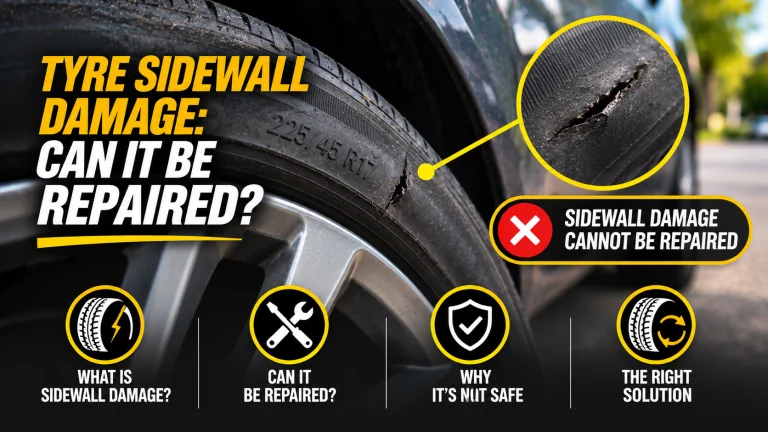
Every repair begins with a detailed inspection. When the fitter arrives, they begin by examining the damaged tyre while it is still mounted on the vehicle. They look for signs of nails, screws, or sharp debris that may have caused the leak. They also check the overall condition of the tyre. If the tread is worn down or the sidewall shows signs of cracking or tearing, repairing it would not be safe.
The fitter often removes any visible object stuck in the tread and applies a mild soapy solution to locate the exact leak. Bubbles forming around the hole confirm where air is escaping. This small step is crucial because it determines whether the tyre can be repaired or must be replaced.
Removing the Wheel
Once the fitter confirms that the puncture can be repaired, the next step is to remove the wheel. The vehicle is lifted securely using professional-grade lifting equipment. Mobile Tyre Surgeons use systems designed to handle both standard cars and heavier SUVs, keeping everything stable throughout the process.
When the wheel is off, it is placed on a flat surface where the fitter can work comfortably. The air inside the tyre is released by removing the valve core. The fitter then separates the tyre from the rim using a compact tyre changing machine that is stored in their service van. This allows them to carry out every part of the job without needing a workshop.
Examining the Inside of the Tyre
Once the tyre is off the rim, the fitter inspects its interior. This part of the process reveals whether the puncture is suitable for repair. The fitter runs a hand carefully along the inside to feel for splits, sharp edges, or any internal bruising that may not have been visible before.
If the inner liner is intact and the damage is within repairable limits, the tyre can be fixed. If not, the fitter will explain to the customer why a replacement is the safer choice. Mobile Tyre Surgeons never repair tyres that show structural damage or deep tears, as doing so could compromise safety.
Preparing the Damaged Area
When the fitter confirms that the tyre can be repaired, they clean the area around the puncture thoroughly. The surface is buffed using a rotary tool to smooth out rough edges and create a clean area for bonding.
A layer of vulcanising fluid is applied to prepare the surface for the repair patch. This fluid helps the patch form a secure and airtight bond. Each step requires precision, as even the smallest misalignment could cause air to leak once the tyre is inflated again.
Applying the Repair Patch
The fitter uses a mushroom-style plug patch to repair the puncture. The stem of the plug fills the hole while the circular patch covers the inner surface. This design seals both the internal and external openings, restoring the tyre’s integrity.
Once positioned, the fitter presses the patch firmly to ensure it bonds properly. After it heals, any excess plug material is trimmed from the outside so the surface is smooth and even. This method not only restores air pressure but also prevents moisture or debris from entering the tyre.
Reassembly and Inflation
After sealing the puncture, the fitter cleans the rim and the tyre bead before reassembling. A light lubricant is applied to create a proper seal between the tyre and rim. The tyre is then refitted and inflated to the correct manufacturer pressure.
Mobile Tyre Surgeons use digital gauges to achieve precise inflation levels, ensuring that both standard and high-performance tyres meet the right specifications. Before the wheel goes back on the car, it is balanced to prevent vibration and uneven wear. Small balance weights are attached when needed to maintain smooth rotation.
Testing the Repair
Every professional puncture repair ends with a test. The fitter sprays a thin layer of soapy water over the repaired area to check for air bubbles. This simple test confirms that the seal is secure and airtight.
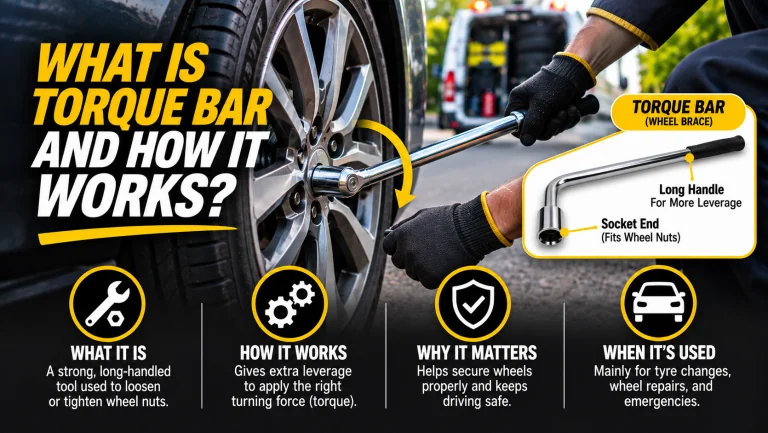
Once satisfied, the fitter reinstalls the wheel, tightening the nuts to the correct torque. All tyres on the vehicle are then checked to ensure even pressure, especially on SUVs and vans where load weight affects performance.
Explaining the Results
Before finishing the job, the fitter explains the process and results to the customer. They identify the repaired area, confirm that it meets British safety standards, and give advice on monitoring tyre pressure in the coming weeks.
Mobile Tyre Surgeons value transparency and take the time to ensure customers understand the work done. This builds trust and reassures drivers that their vehicle is safe and road-ready.
Why Does Mobile Tyre Repair Work So Well?
Mobile tyre repair saves time and avoids the inconvenience of visiting a garage. Service vans carry all the necessary equipment, allowing fitters to perform repairs at homes, offices, or roadsides anywhere in London.
The process combines efficiency with expertise. A mobile fitter can inspect, repair, and test a tyre within about an hour. This flexibility is invaluable in a busy city where time is often limited. The same quality that customers expect in a workshop is delivered right to their location.
When a Tyre Cannot Be Repaired?
Not all tyres can be repaired safely. If the puncture lies on or near the sidewall, or the hole is too large, repairing it could weaken the tyre’s structure. If the tyre has been driven while flat for too long, internal heat and friction may have caused unseen damage.
In such situations, Mobile Tyre Surgeons recommend replacing the tyre instead of attempting a fix. Their vans carry a range of new and part-worn tyres, allowing a replacement to be fitted immediately if needed. The focus always remains on safety and long-term reliability.
The Final Quality Check
Once the repair or replacement is complete, the fitter carries out a final inspection. They check the tread depth, examine all tyres for wear, and ensure each valve is sealed properly. This quick but essential step helps identify any early signs of imbalance or uneven wear that could affect performance later.
For customers, this attention to detail means peace of mind. It assures them that their vehicle has been serviced by professionals who care about safety as much as speed and convenience.
Conclusion
A puncture might start as a small inconvenience, but when handled professionally, it becomes nothing more than a brief interruption. Mobile Tyre Surgeons bring skill, experience, and advanced equipment straight to the driver, turning a flat tyre into a fully restored wheel within a single visit.
Every step, from inspection to testing, is performed with care and accuracy. This service fits perfectly with London’s fast-paced lifestyle by ensuring drivers stay on schedule without compromising safety. Whether it is a compact car, a family SUV, or a commercial van, the result is always consistent: a safe and reliable tyre repair carried out by skilled technicians who prioritise precision.
If you ever face a puncture or sudden tyre issue in London, Mobile Tyre Surgeons are ready to help with timely roadside support. And if you would like to understand how long a mobile tyre fitting usually takes from start to finish, we have explained the complete step by step duration in our detailed guide.
One call and a fitter comes to the car
Home, work, roadside or car park, anywhere in London and across the UK. Tyres on board and balancing done on site.
20 to 30 min ETA in LondonCars, vans and luxury vehiclesOpen 24/7, seven days